

How the D&SNG Delivered Mail to Mountain Camps
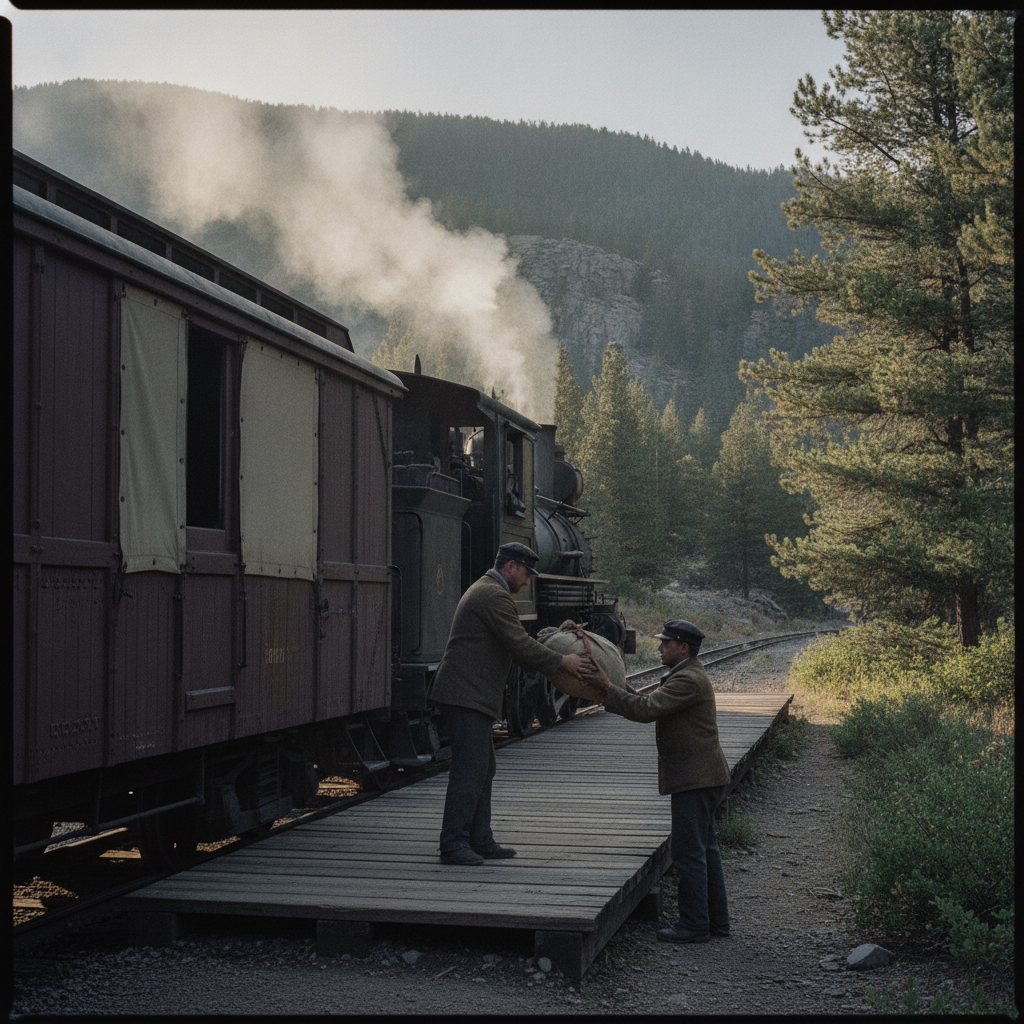
Follow a single letter from Durango onto the Durango & Silverton Narrow Gauge Railroad—logged into mail sacks, rushed through quick station stops, and carried the last mile by boots, horses, and pack animals to remote San Juan Mountain camps—plus the easy clues you can spot on today’s ride.
Durango’s Narrow Gauge: How 3-Foot Rails Powered Mountain Mining
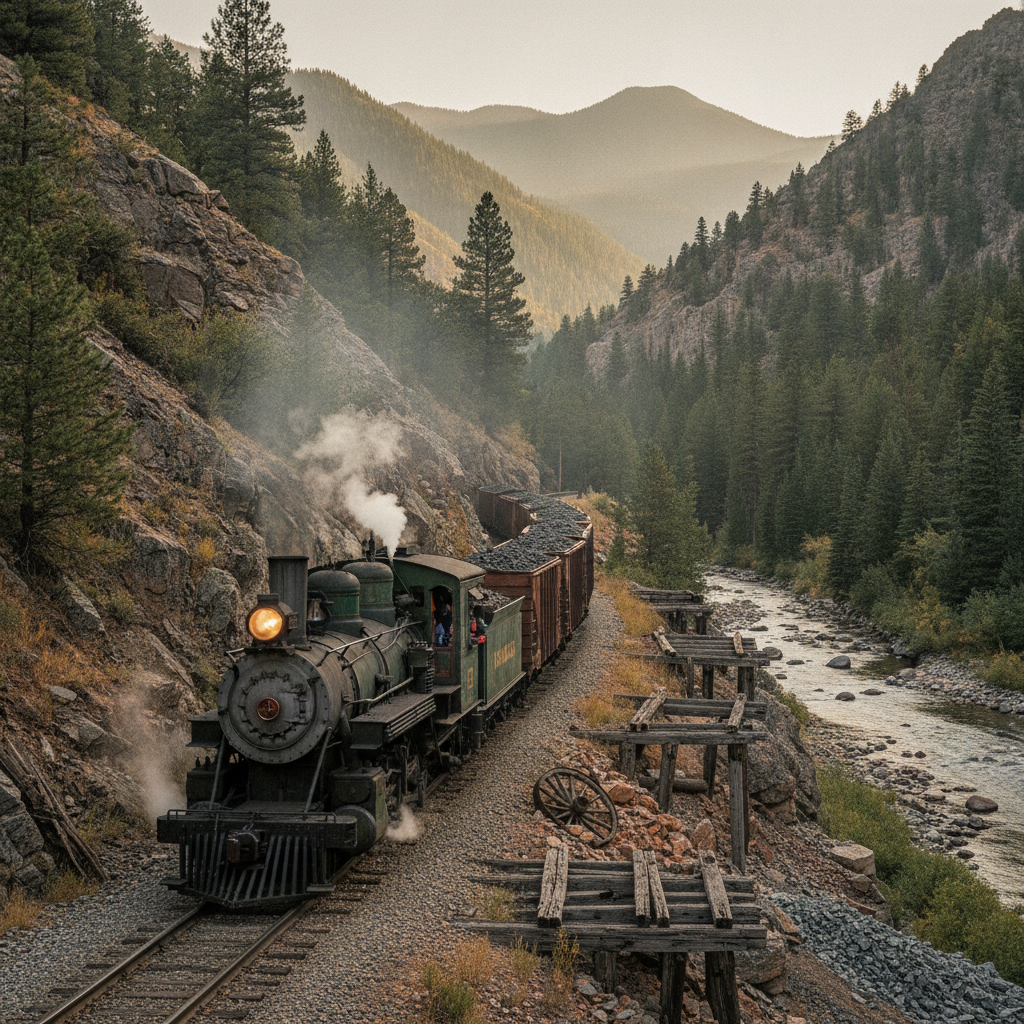
Durango’s “narrow gauge” 3-foot rails weren’t a quirky detail—they were a mountain logistics solution that let the Durango & Silverton line hug the Animas Canyon, move supplies up to mines, and carry ore back down in a way you can still spot from the depot and along the river today.
What Passengers Actually Ate: Authentic Railroad-Era Dining Menus
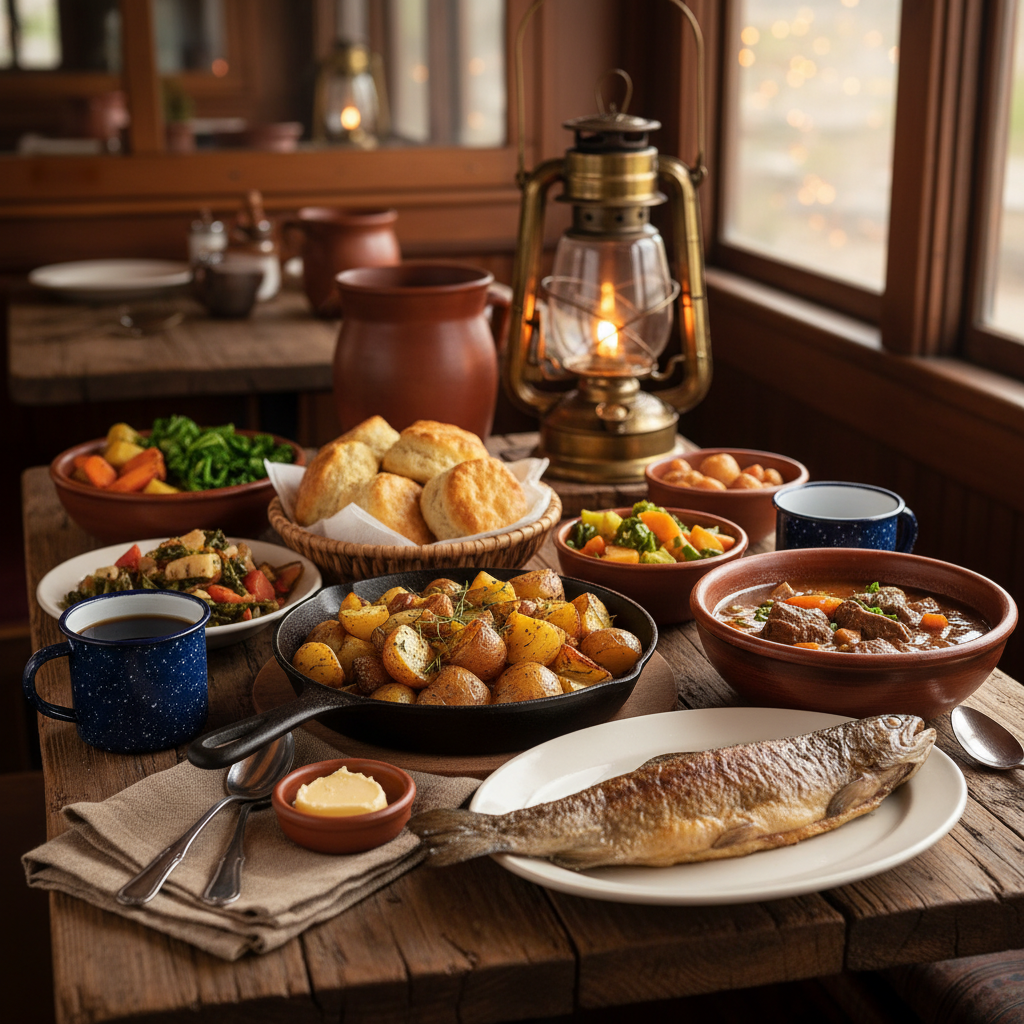
Not every historic train had a dining car—discover what Durango–Silverton passengers actually ate, from quick depot meals and simple onboard snacks to special-occasion dining, plus easy tips for planning your own rail-era-inspired day in Durango.
Silverton Wye: How D&SNG Turned Trains Before Modern Tech
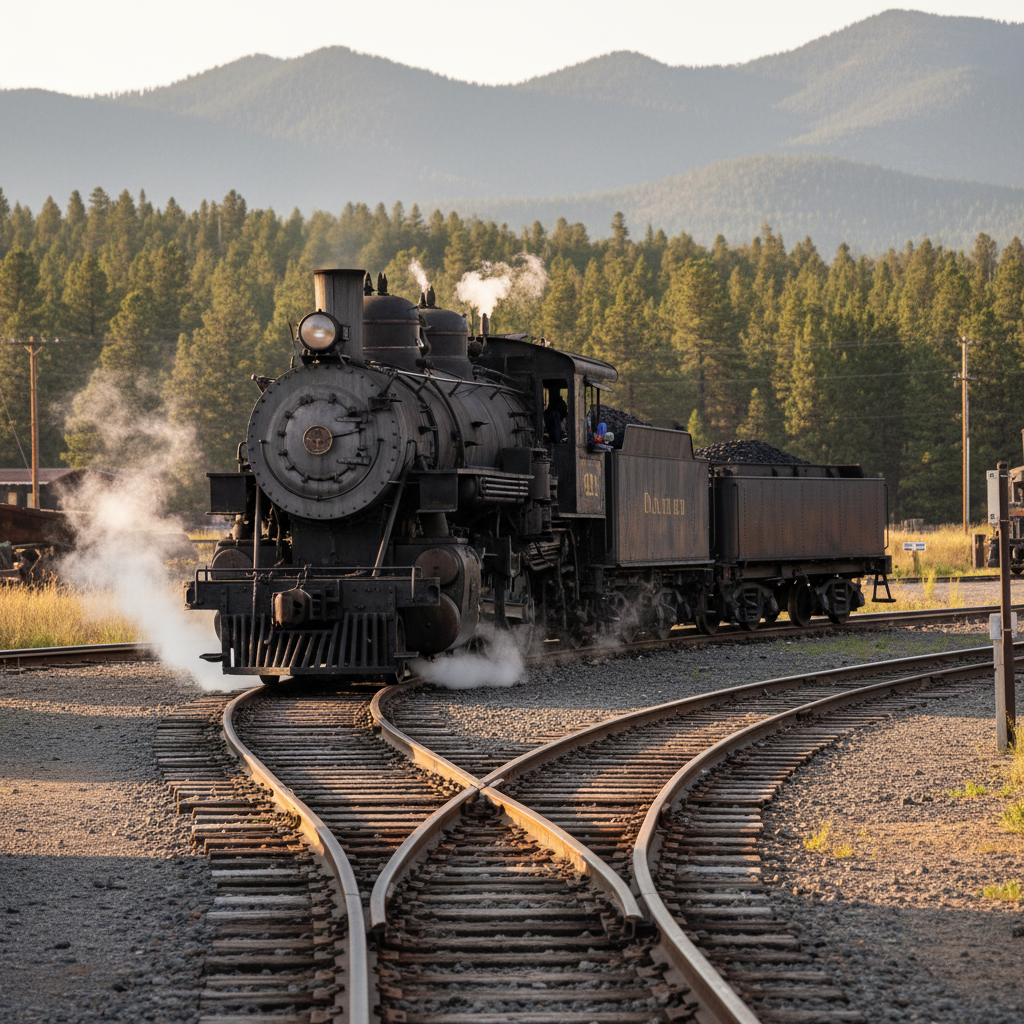
Learn what the Silverton (or winter Cascade) wye is, why the Durango & Silverton train uses this triangle of track instead of a turntable, and the simple cues to watch so you can follow the slow, old-school “three-point turn” like a pro.
Durango’s Historic Alleyways: Service Corridors, Deliveries, and Ghost Signs
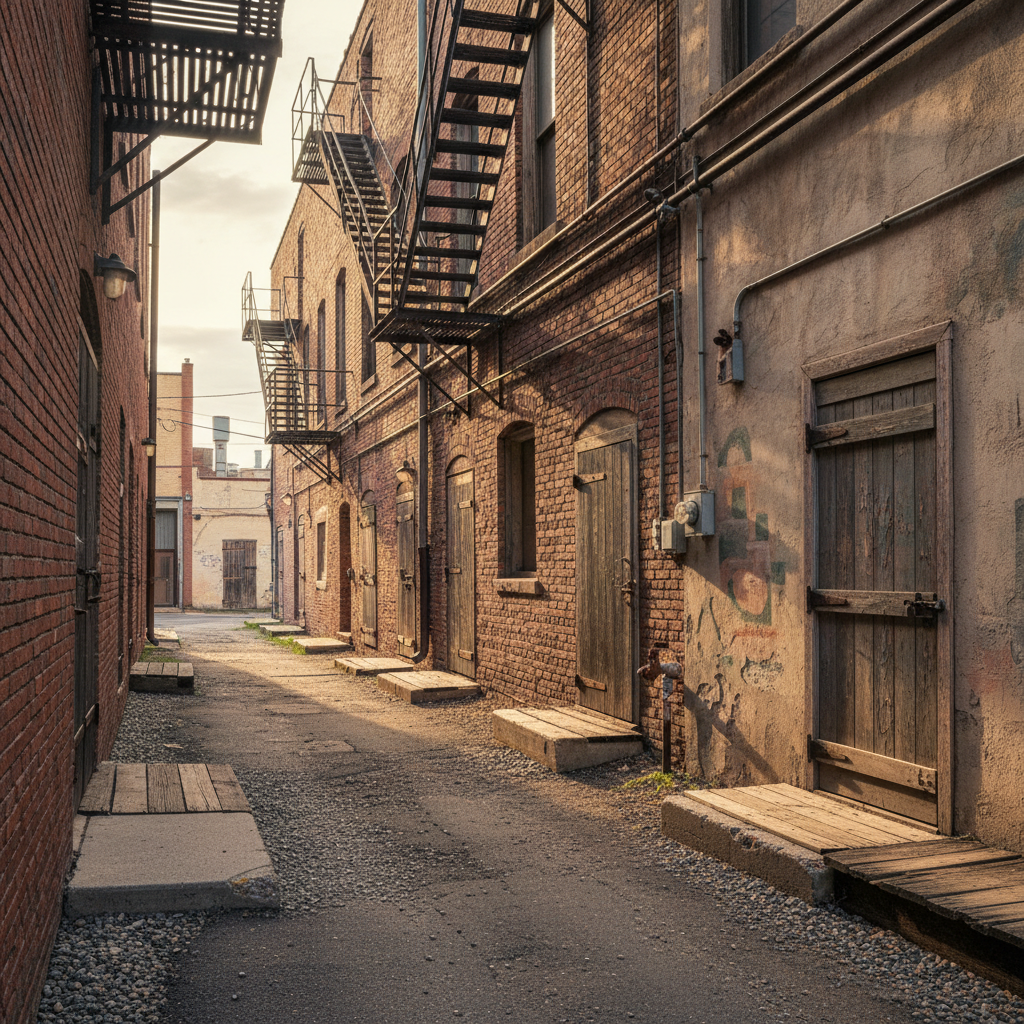
Step behind Main Avenue and explore downtown Durango’s working alleyways—service corridors filled with deliveries, utilities, and hidden ghost signs—using an easy, respectful loop and a simple “look up” checklist you can finish in under an hour.
Tacoma Power and Water Stops: How Steam Locomotives Were Serviced
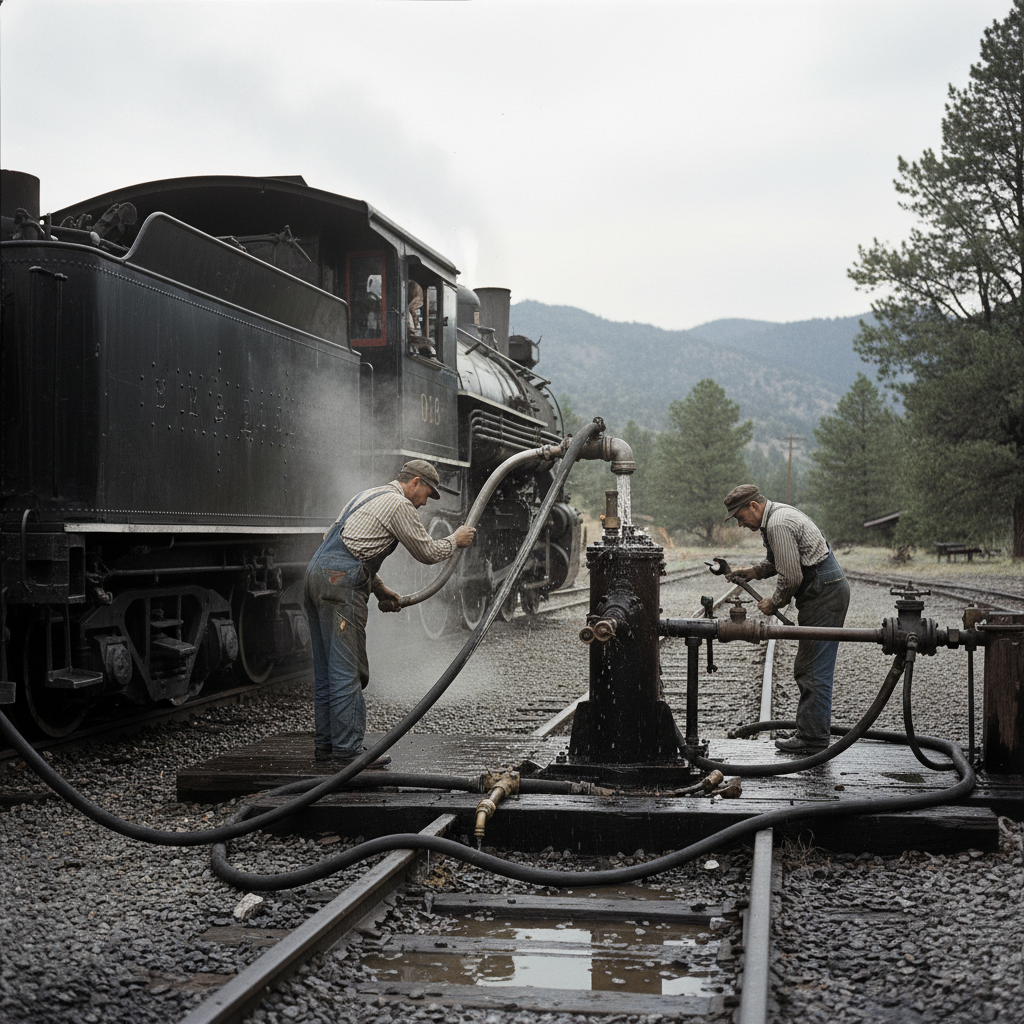
Discover how Tacoma power and water stops kept Durango & Silverton Narrow Gauge steam locomotives running in the San Juan Mountains—and what to watch for on your next train day from Junction West Durango Riverside Resort.